






Best Handheld Ultrasound 2026: Buyer's Guide and Top Picks
- 2026-10-10
- 66
- Guangzhou Sonostar Technologies Co., Limited
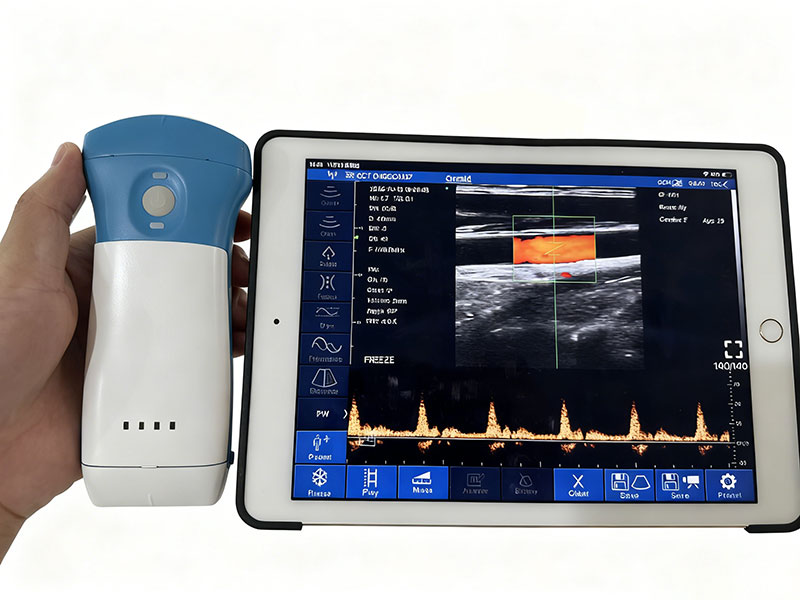
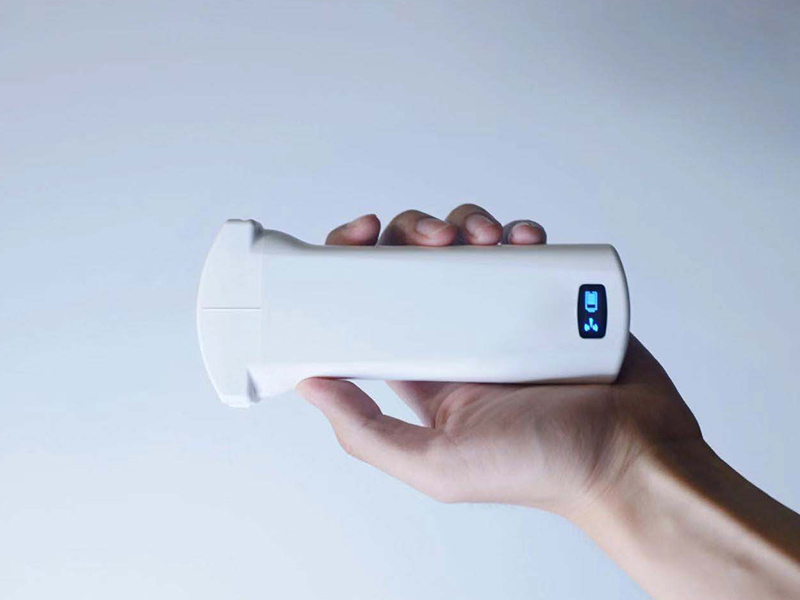
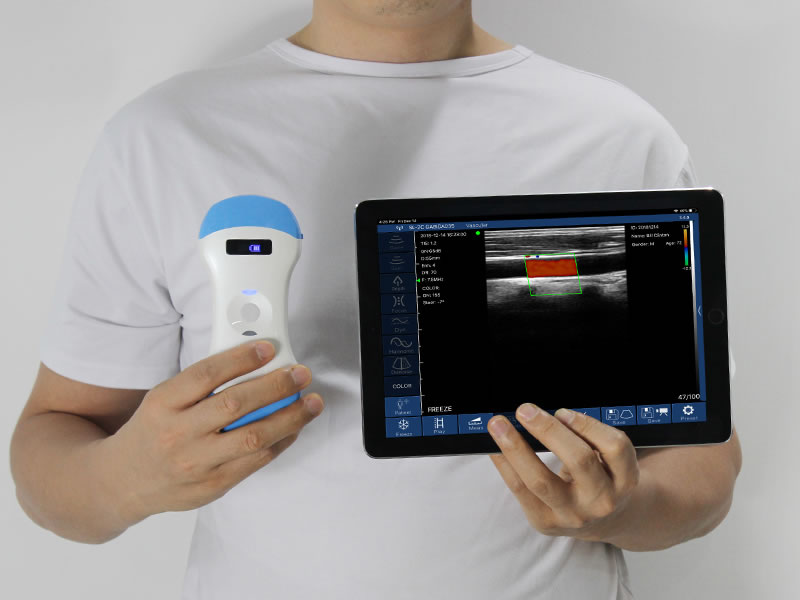
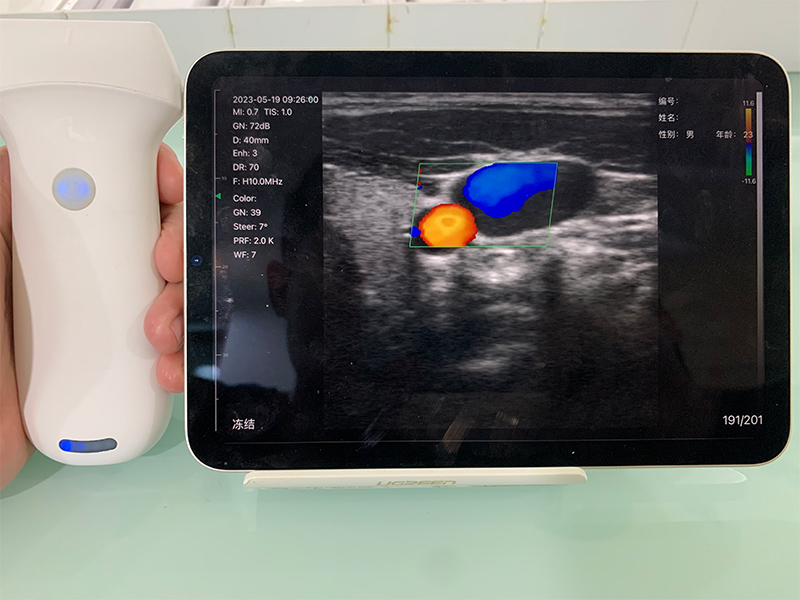
There is no single "best" handheld ultrasound in 2026 — the right pick depends on your specialty, the probe array you need, and your budget. What changed this year is how good wireless, phone-based probes have become: a pocket-size device now delivers color Doppler and, in some lines, 4D imaging that once needed a console. This guide covers what to look for, our top wireless picks from the SonoStar lineup, and how the category compares with the major brands.
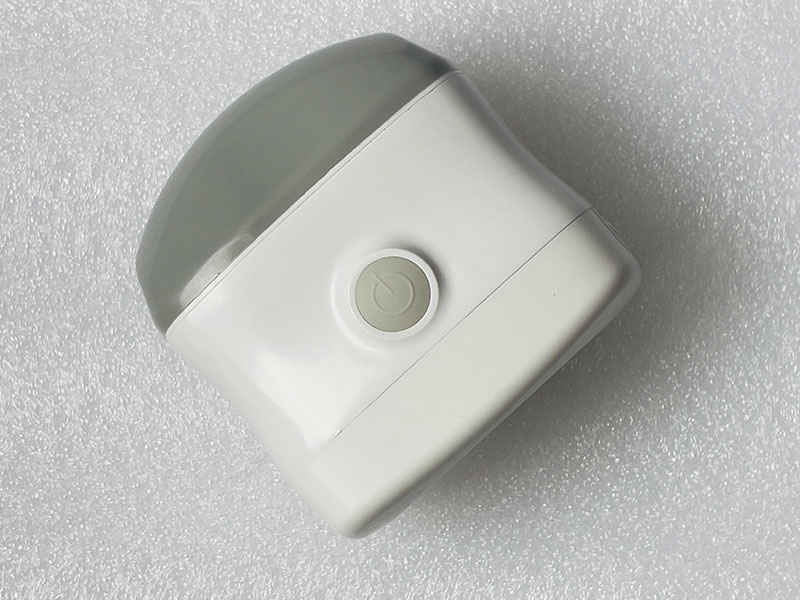
What to Look for in a Handheld Ultrasound (2026)
Probe array type. Convex for abdomen/FAST/pelvis, linear for superficial/vascular/MSK, phased array for cardiac. A 3-in-1 covers all three.
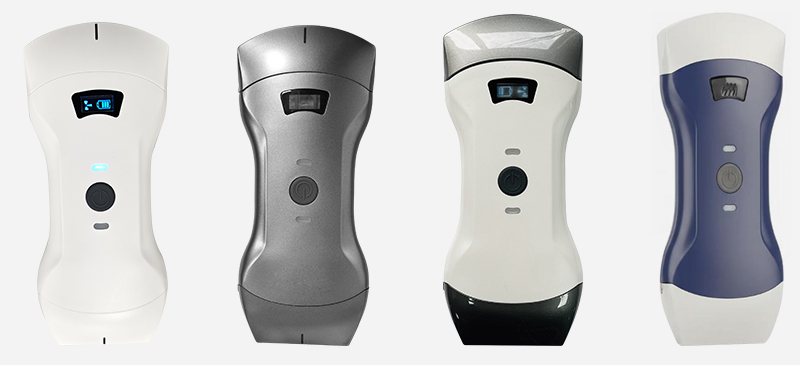
Wireless + app. The best wireless probes stream to a smartphone or tablet over Wi-Fi and pair with an app (SonoStar's is SmartUSG) — no cart, no cables.
Image quality. Look for color Doppler, a high frame rate, and enough channels for clear tissue boundaries. Specs alone don't tell the story; on-site testing does.
Battery. Wireless probes run on internal batteries; some lines (SonoStar's 9-series) use replaceable batteries for all-day use.
Durability. Waterproof probes (SonoStar probes carry IP67-rated protection) wipe down fast and suit high-volume clinics.
Total cost of ownership. Factory-direct pricing beats imported systems on upfront cost, and removes storage, cabling, and dedicated-operator overhead.
Support and training. Prefer brands with local after-sales, clear warranty, and training resources.
Best Handheld Ultrasound by Use Case (Our Picks)
| Use case | Best pick | Why |
|---|---|---|
| All-round / ED | 8CPL / 9CPL 3-in-1 | Convex + linear + phased in one probe — FAST, cardiac, and lines |
| Abdomen / FAST / trauma | 8C / 9C convex | 64-channel color Doppler, 192 elements; pelvic and abdominal views |
| Vascular access / MSK | 8L / 9L linear | Real-time needle guidance; superficial and small-parts imaging |
| Cardiac / echo | 6PA / 5PA phased array | Parasternal and apical views for bedside cardiac assessment |
| 4D imaging | 4D convex / 4D linear | Volume imaging previously limited to high-end consoles |
| Bladder volume / PVR | BProbe-2 / BProbe-5 | 4D wireless bladder scanners, <5% error, under 2-second scan |
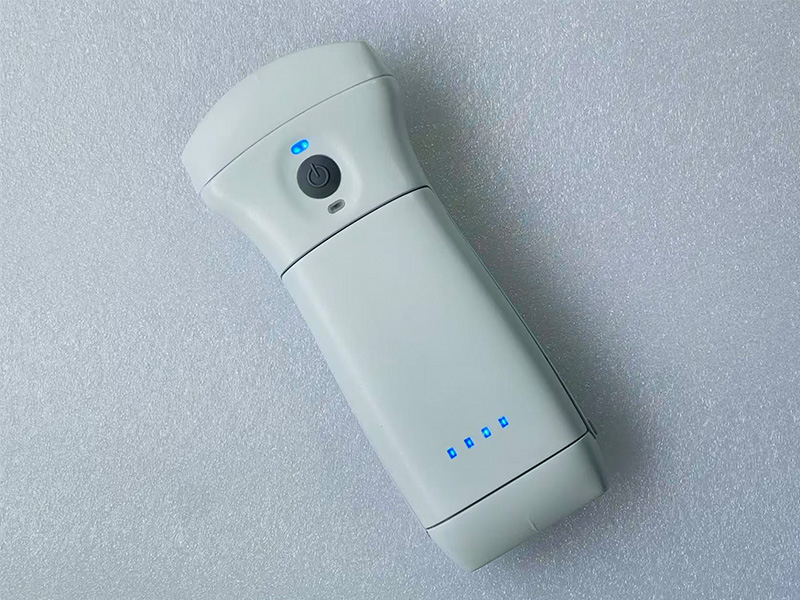
How SonoStar Compares to Butterfly, Clarius, and Lumify
For a balanced 2026 picture, here is how the main wireless players differ. (This is a category overview, not a clinical endorsement.)
Butterfly iQ3. A single semiconductor ("ultrasound-on-chip") probe covering whole-body imaging, sold with a software membership model. Simple, but one fixed form factor.
Clarius. App-based wireless probes with multiple array options and high image quality, also using a membership/subscription for full software features.
Philips Lumify. App-based wireless ultrasound inside the Philips ecosystem, strong brand and integration, premium pricing.
SonoStar. A broad multi-array wireless lineup (convex, linear, phased, micro-convex, biplane rectal, transvaginal, 3-in-1, and 4D), manufacturer-direct pricing with no per-scan subscription, and replaceable-battery options. The trade-off is a smaller brand ecosystem versus the largest global names.
For buyers comparing options, the practical question is array coverage, subscription cost, and total price — not just the logo on the probe.
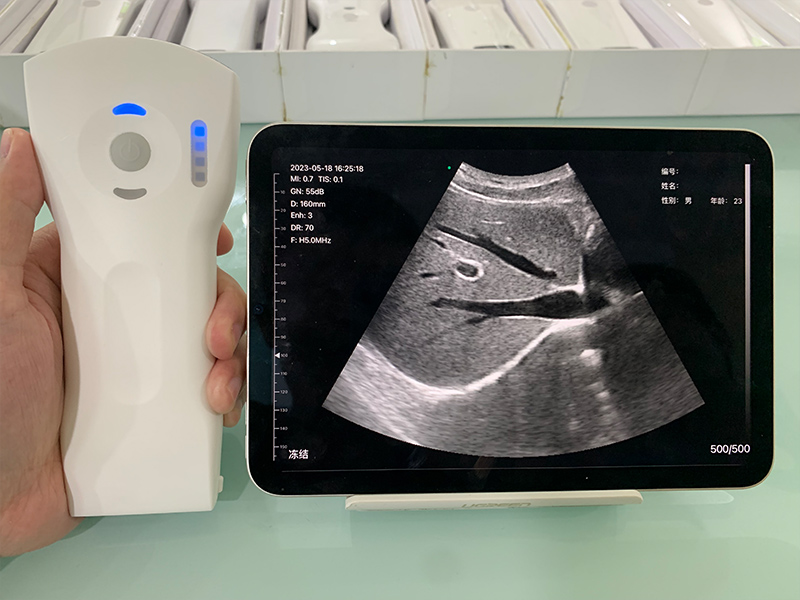
Price Ranges in 2026
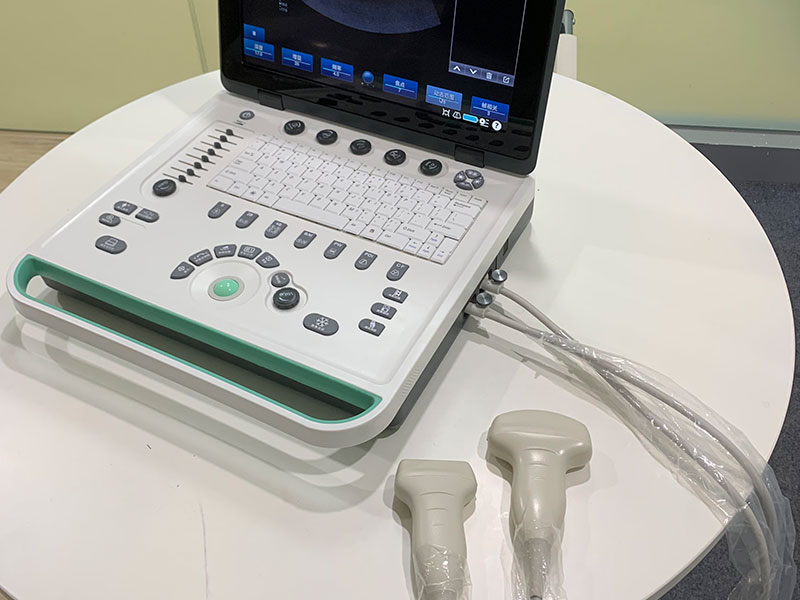
On the open market, handheld wireless ultrasound typically runs about $3,000–$10,000, while traditional cart-based systems run $9,000–$25,000. Prices vary with array type, software, and support. As a manufacturer, SonoStar supplies factory-direct, which removes distributor markup and lowers total cost of ownership.
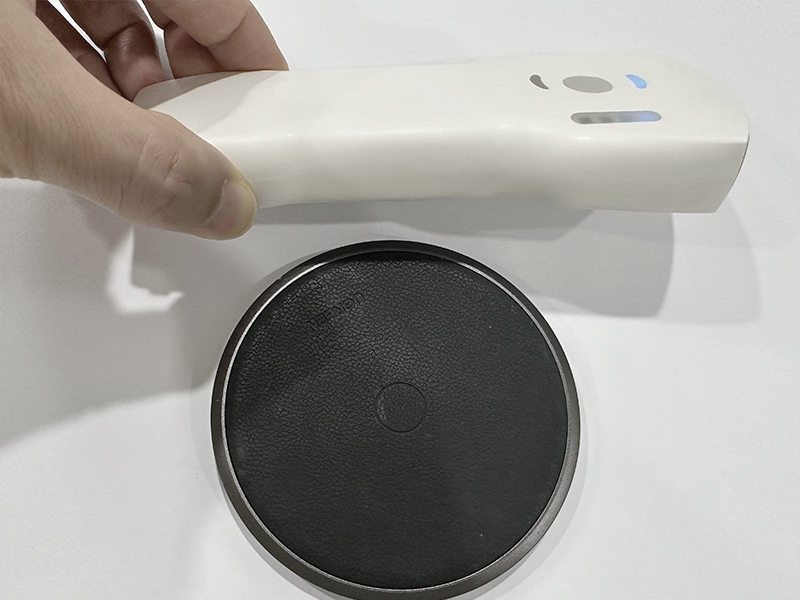
Frequently Asked Questions
What is the best handheld ultrasound for emergency medicine?
For the ED, a 3-in-1 wireless probe covering convex, linear, and phased array is the most versatile — it handles FAST, cardiac windows, and line guidance in one device. A convex probe alone covers FAST and AAA; add a linear probe for vascular access.
Is a 3-in-1 handheld ultrasound probe enough?
For most point-of-care and clinic use, yes. A convex + linear + phased 3-in-1 covers abdominal, superficial, vascular, and cardiac views. Specialized needs — transvaginal, biplane rectal, or 4D volume imaging — call for dedicated probes.
How much does a good handheld ultrasound cost in 2026?
Handheld wireless units typically run about $3,000–$10,000; cart-based units $9,000–$25,000. Manufacturer-direct sourcing lowers the total cost of ownership by removing distributor markup.
Can a handheld ultrasound replace a cart-based system?
For goal-directed POCUS — FAST, cardiac windows, vascular access, DVT, bladder volume — a wireless handheld is faster and reaches the bedside directly. A full cart remains better for comprehensive diagnostic studies and high-throughput imaging.
Find the right SonoStar probe for 2026
Explore the full wireless handheld ultrasound lineup or request a quote and demo.
View SonoStar Wireless Probes →SonoStar (索诺星医疗) is a manufacturer of wireless handheld ultrasound probes across convex, linear, phased, micro-convex, biplane rectal, transvaginal, 3-in-1, and 4D arrays. Competitor descriptions are general category overviews for comparison purposes and are not clinical endorsements. Specs reflect SonoStar product pages; verify current models and pricing with SonoStar before purchase.

 Home
Home Product
 News
News Contact